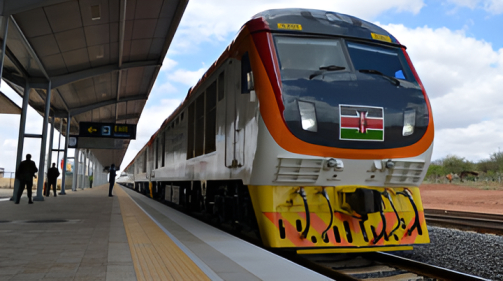
Kenya has extended the repayment period of three Chinese loans for the standard gauge railway (SGR) to 2040, giving the country an extra five years to manage its quarterly payments more comfortably.
The move comes as part of a restructuring effort that includes a grace period exempting Kenya from paying the principal amount during the first five years of the extended tenure.
Treasury officials said the loans, which were previously scheduled for repayment by 2035, have now been converted into a 15-year facility starting this year. “The loans are now going to be paid for 11 years with a four-year grace period for a total of 15 years,” National Treasury Cabinet Secretary John Mbadi said yesterday.
Kenya borrowed Sh655 billion ($5.08 billion) from the China Export-Import Bank in the year ending June 2015 for the SGR project, covering the Mombasa-Nairobi section and the subsequent line to Naivasha.
Since then, the country has been servicing the loans by paying interest twice annually, in January and July, with the initial maturity ranging between January 2029 and July 2035.
The restructuring is expected to reduce the annual loan servicing cost from Sh50 billion to about Sh37 billion, offering some relief as debt payments currently consume over half of government revenues. Officials also pointed to the currency conversion from dollars to yuan as a strategy to lower exposure to exchange rate and interest rate risks.
By September, about 52 percent of Kenya’s external debt was in US dollars, 27.9 percent in euros, 12.3 percent in yuan, 5.2 percent in yen, and 2.5 percent in British pounds.
The government has been actively reshaping its debt management approach, extending the maturity of key obligations like Eurobonds while seeking new ways to fund priority infrastructure projects, including the railway extension from Naivasha to the Ugandan border and the upgrade of Nairobi’s main airport.
President William Ruto’s economic adviser, David Ndii, suggested that international lenders, such as the World Bank and IMF, influenced the currency swap. “The western lender queried why they should be supporting us while other lenders are taking out their money,” Ndii said last month.
“That’s why they put pressure on countries to restructure debts so that the money they put in stays in the country and does not pay other lenders.”
Data from the Treasury shows that Kenya’s outstanding loans to China have fallen 18.8 percent over the last five years, from Sh764.2 billion in September 2021 to Sh620.3 billion by September 2025, as the country limits borrowing from Beijing while seeking support from multilateral lenders.































Comments
Sign in with Google to comment, reply, and like comments.
Continue with Google